Linen Story
With health and sustainability in mind
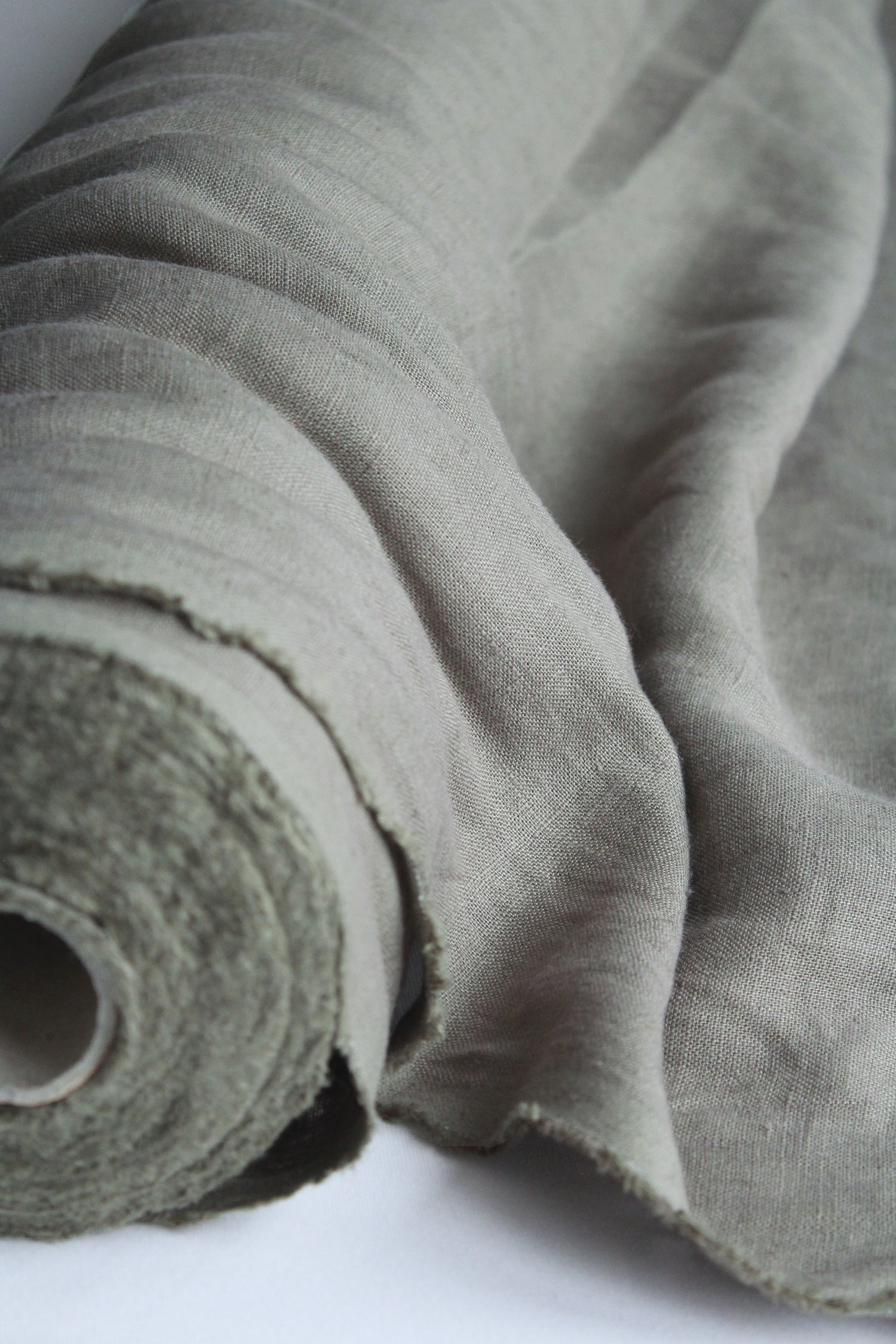
Linen is strong, durable and respectful to the environment
Linen is one of the most naturally sustainable materials available. Made from the fibres of the flax plant, it grows quickly, requires minimal water, and thrives with very few resources. Known to be two to three times stronger than other natural fibres, linen is resilient, long‑lasting, and designed to stand the test of time. Its durability means less waste and greater respect for the planet. All our linens are grown and manufactured in Europe and meet the highest standards with Oeko‑Tex certification, ensuring they are free from harmful chemicals and kind to your skin.
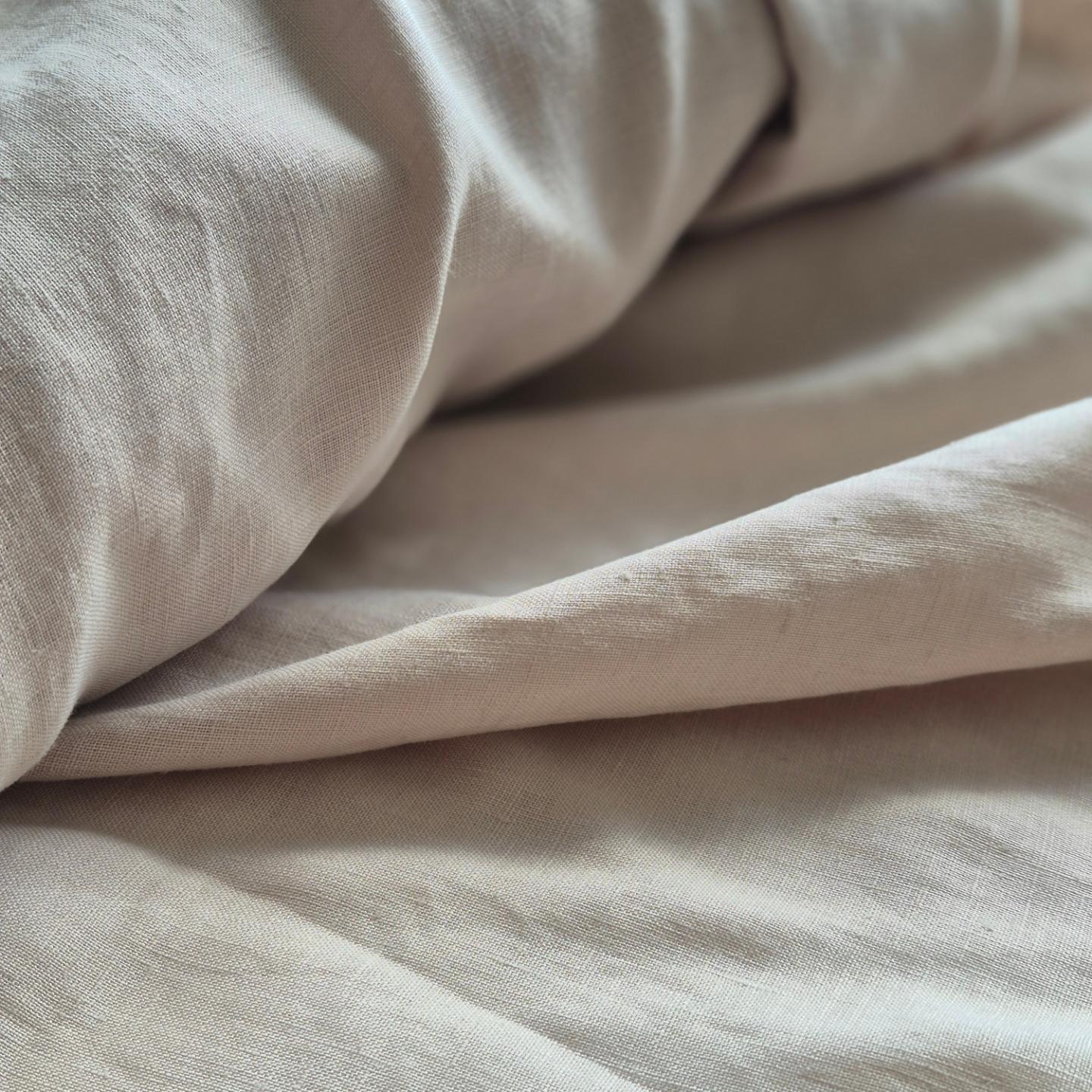
Valued for its exceptional abilities
Linen is celebrated for its ability to keep you cool and fresh in hot, humid conditions. On warm days, it offers a naturally breathable, cooling effect; in colder weather, it retains heat and helps the body warm up more quickly. Highly absorbent and faster‑drying than cotton, linen is also naturally antibacterial, antimicrobial, and hypoallergenic making it a smart, healthy choice for everyday living.
Why choose linen?
Linen is one of those rare materials that combines beauty, practicality, and sustainability in one elegant thread.
- Oeko-Tex Certified & Kind to Skin
- Durable & Sustainable
- Hyppoallergenic, Antibacterial & Antimicrobial
- Breathable & Thermoregulating
- Absorbent & Fast Drying
- Effortlessly Elegant
- Biodegradable & Eco-Friendly
Did you know?
All our linens carry Oeko‑Tex Certification, meaning they are free from harmful and toxic chemicals.
How To Look After Your Linen
To keep your linen products looking their best and to help them last for many years follow the care guidance below. These instructions apply to all our linen products unless stated otherwise on the individual product page.
-
WASHING YOUR LINEN
Linen is strong, but it appreciates gentle care. Machine wash on a gentle cycle at no higher than 40°C, and avoid harsh chemicals such as bleach or strong detergents. If your linen item is large, hand washing is advisable, as overloading a machine can create stubborn crease lines. Linen naturally softens with each wash and becomes even more beautiful over time. Some fading and minor shrinkage may occur this is normal for natural fibres. Always refer back to the product page for any specific care notes.
-
DRYING YOUR LINEN
For best results, allow your linen to dry naturally. Avoid tumble drying, as it can weaken fibres and cause shrinkage. Keep linen out of direct sunlight to prevent sun damage, and lay heavier items flat after shaping to avoid stretching. Freshly washed linen may appear stiff or heavily creased this is normal. A quick iron will bring it back to its natural drape. Slight shrinkage is possible with all natural fibers.
-
IRONING YOUR LINEN
Reshape
After washing, give your linen a gentle shake and shape it by hand before air drying. Some items may need to be laid flat to maintain their form.Steam Iron
Linen responds best to high heat and steam. Steam relaxes the fibres, removes stubborn creases, and helps prevent heat discolouration, especially in lighter colours.Damp & Iron
For extra‑stubborn creases, lightly mist the fabric with water and iron over it. The sizzling sound is normal and it works beautifully.